Photo info
Description
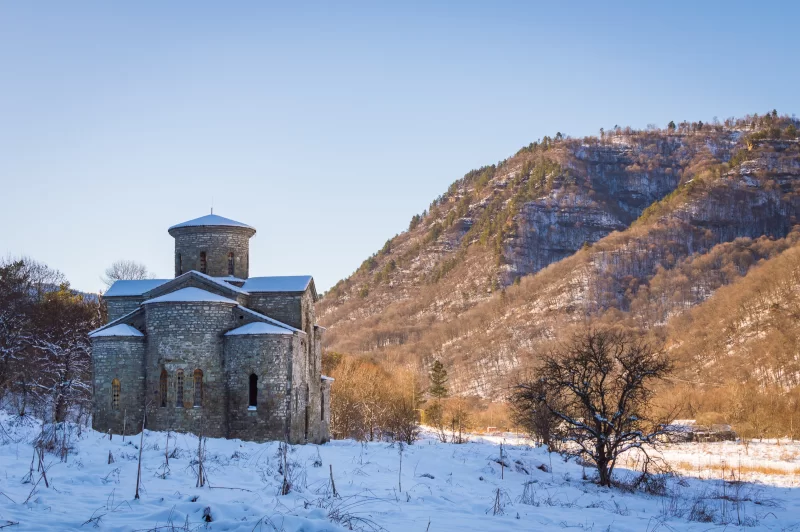
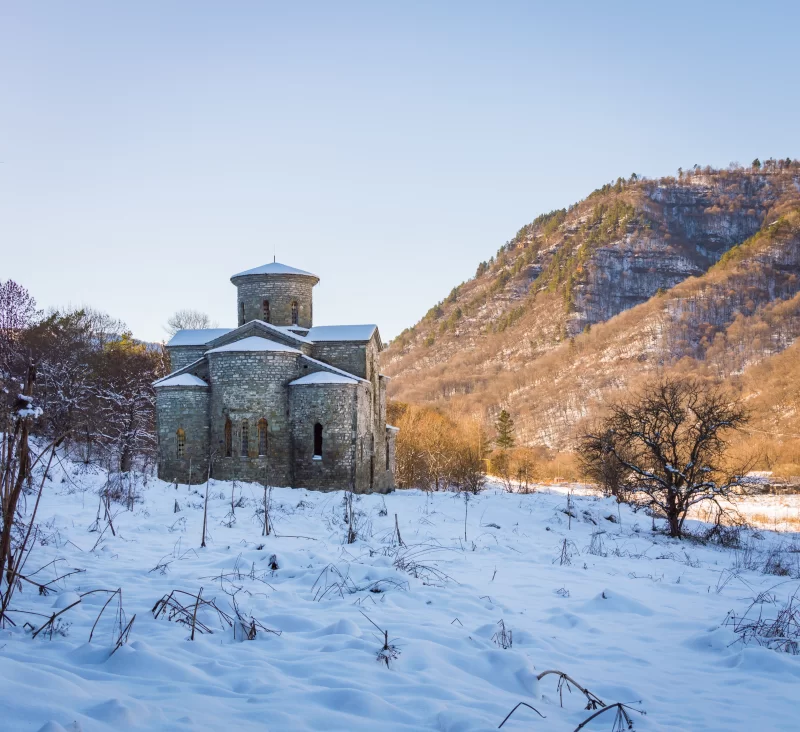
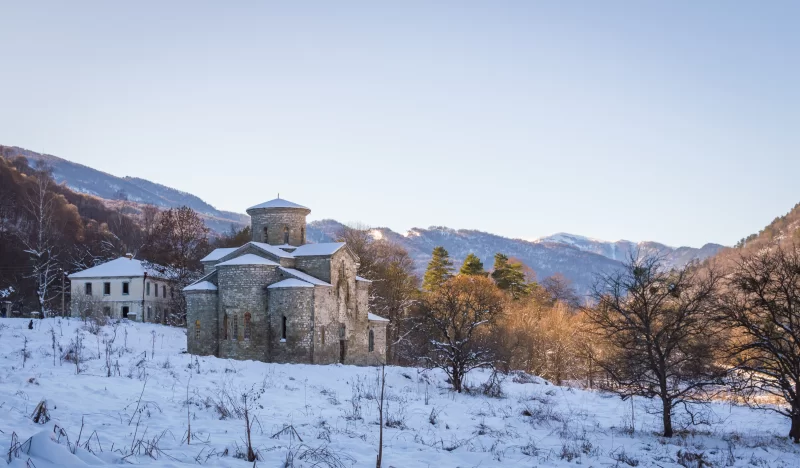
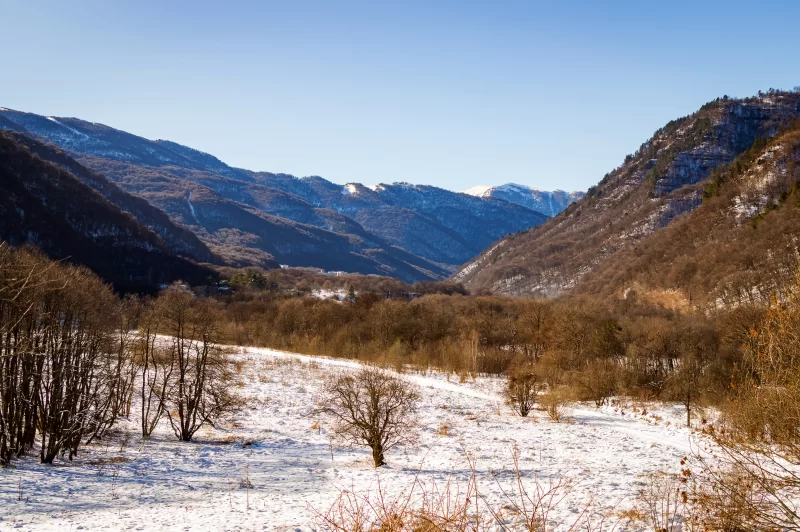
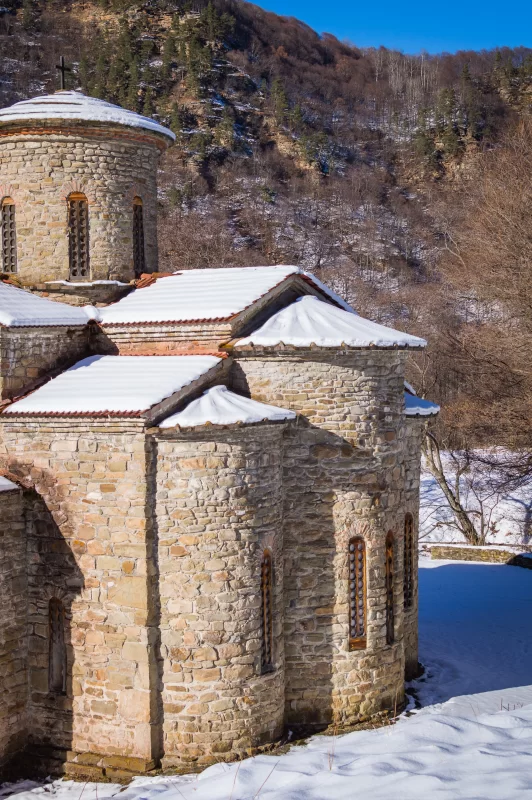
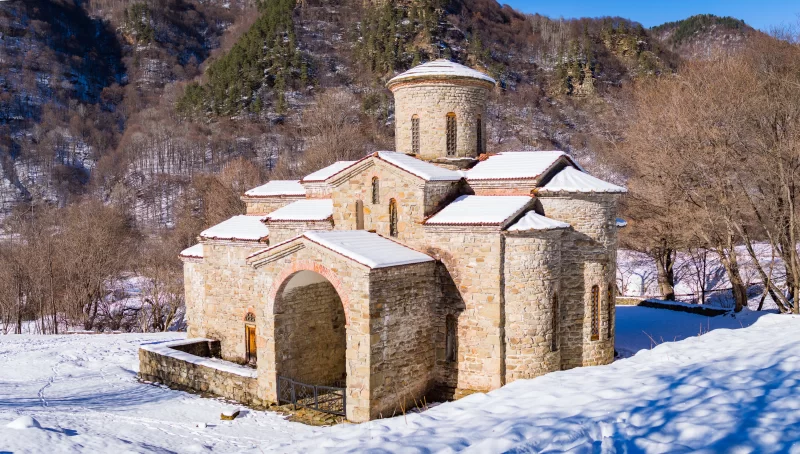
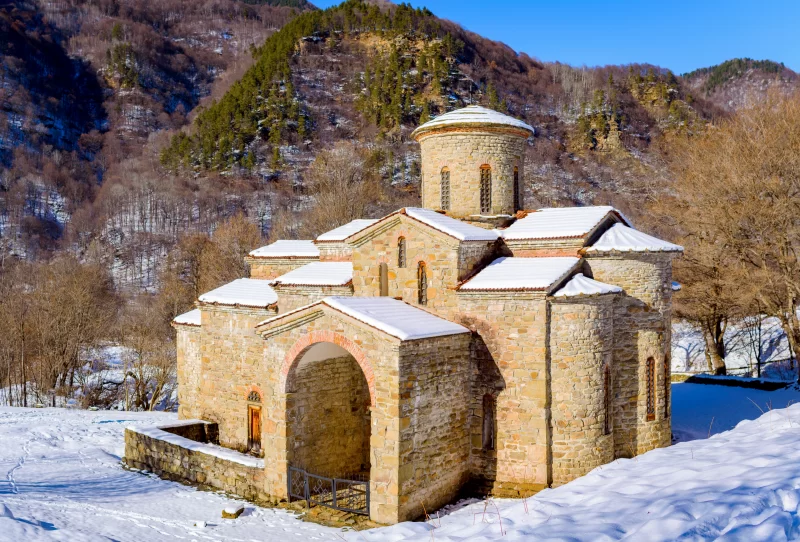
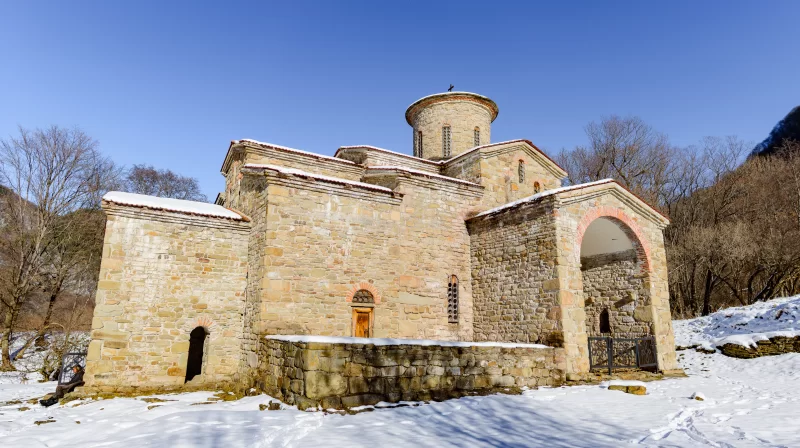
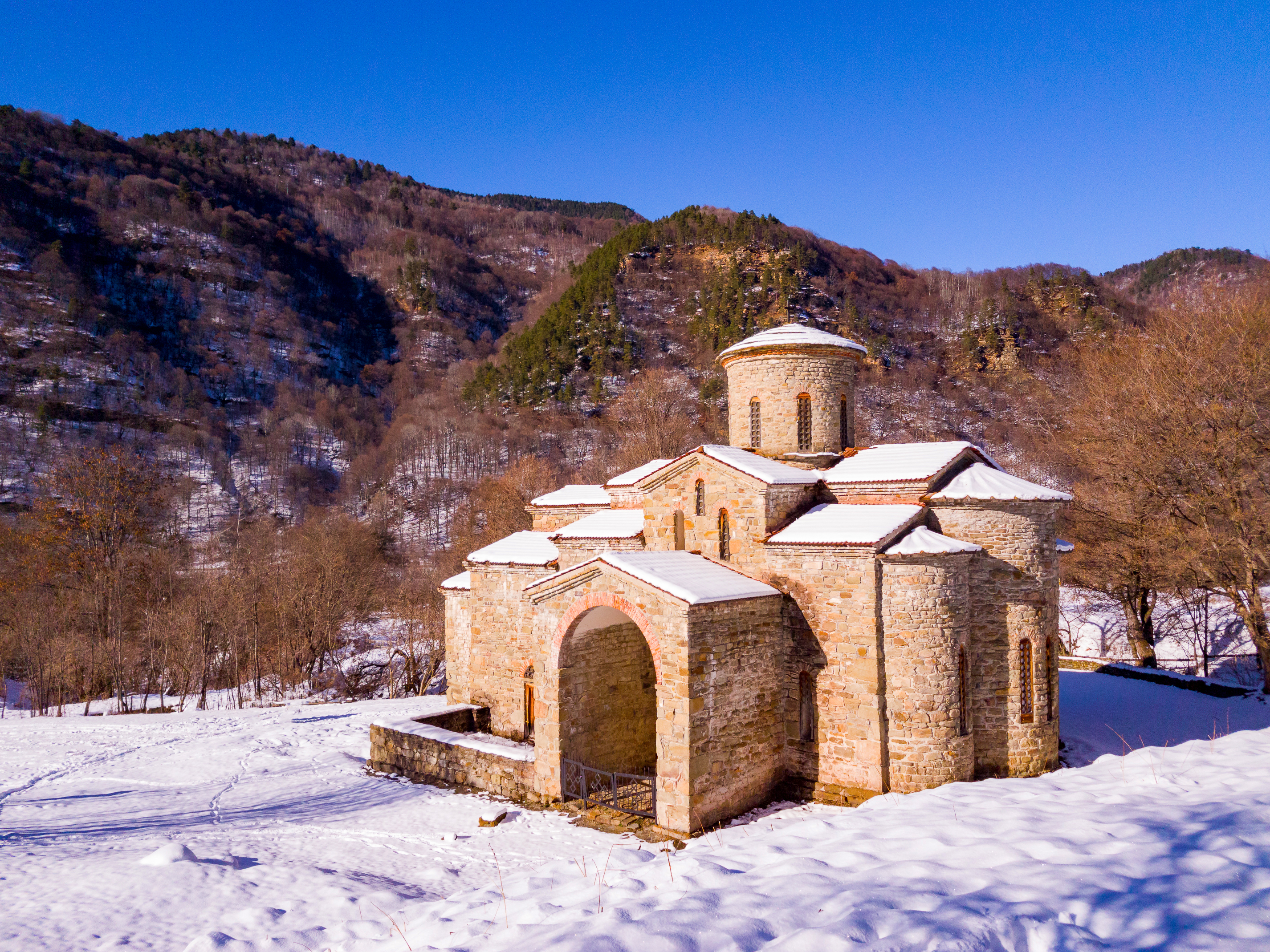
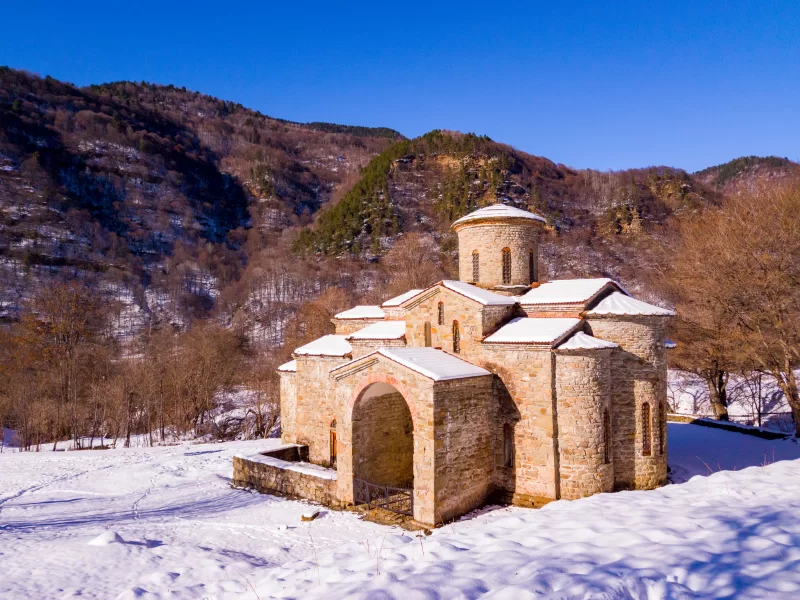
The image captures an ancient stone temple, whose massive walls and columns seem to emerge from an era when myths and religion were the dominant forces of the world. It rises majestically among grand snowy mountains, whose slopes are covered in deep white snow, as if nature itself has created a magnificent costume for this place. Above the temple stretches a cloudless blue sky, reflecting sunlight on the snowy peaks and giving the scene a sense of purity and tranquility. The temple, built from rough but sturdy stone, appears unshakable, as if it has existed for thousands of years and will continue to exist for thousands more. Around it lies silence, almost silent, interrupted only by the gentle whisper of wind drifting through snowy terraces and ancient ruins. This place, where the past and present intertwine in one harmonious picture, where every stone tells a story of faith, strength, and humanity’s desire for eternity.
The composition of the frame is so thoughtfully arranged that the temple occupies the central position, while the mountain peaks form a natural frame, guiding the viewer’s gaze to its main entrance. Snow, covering roofs and walls, creates soft contrasts between light and shadow, adding depth and volume to the scene. The stone of the temple — dark, almost black in shadow, but reflecting sunlight in certain areas — creates a play of light and shadow that highlights its architectural details. The lighting — soft and diffused, as if the sun is positioned high in the sky — gives the scene a mystical tone. The texture of the stone — rough, with cracks and signs of time — enhances the sense of antiquity. The snow — fluffy, smooth, like velvet — lies on every element, whether a column, wall, or small monument, creating a fairy-tale atmosphere.
The mood of the image — calm, almost mystical — evokes a sense of grandeur and serenity. The viewer feels as though they are in a place where time has slowed down, where nature and architecture have merged into one whole. This is not just a photograph, but an immersion into history, where every detail — from the relief on the stone to the falling snow — invites contemplation. The atmosphere — as if the wind whispers ancient prayers, and the snow is the memory of generations who once stood here. This place evokes admiration, reverence, and even a slight shiver, as if the temple — not just a building — is a living being, sleeping under the snow, but ready to awaken at any moment. The style of shooting — documentary with elements of romantic realism — where nature and architecture become the main characters, and the shot is an act of reverence, not just observation.
The composition of the frame is so thoughtfully arranged that the temple occupies the central position, while the mountain peaks form a natural frame, guiding the viewer’s gaze to its main entrance. Snow, covering roofs and walls, creates soft contrasts between light and shadow, adding depth and volume to the scene. The stone of the temple — dark, almost black in shadow, but reflecting sunlight in certain areas — creates a play of light and shadow that highlights its architectural details. The lighting — soft and diffused, as if the sun is positioned high in the sky — gives the scene a mystical tone. The texture of the stone — rough, with cracks and signs of time — enhances the sense of antiquity. The snow — fluffy, smooth, like velvet — lies on every element, whether a column, wall, or small monument, creating a fairy-tale atmosphere.
The mood of the image — calm, almost mystical — evokes a sense of grandeur and serenity. The viewer feels as though they are in a place where time has slowed down, where nature and architecture have merged into one whole. This is not just a photograph, but an immersion into history, where every detail — from the relief on the stone to the falling snow — invites contemplation. The atmosphere — as if the wind whispers ancient prayers, and the snow is the memory of generations who once stood here. This place evokes admiration, reverence, and even a slight shiver, as if the temple — not just a building — is a living being, sleeping under the snow, but ready to awaken at any moment. The style of shooting — documentary with elements of romantic realism — where nature and architecture become the main characters, and the shot is an act of reverence, not just observation.
Resolution
2852 × 2139 pixels -
6.1 megapixels
Date
Oct 23, 2025
Category
Arkhiz