Photo info
Description
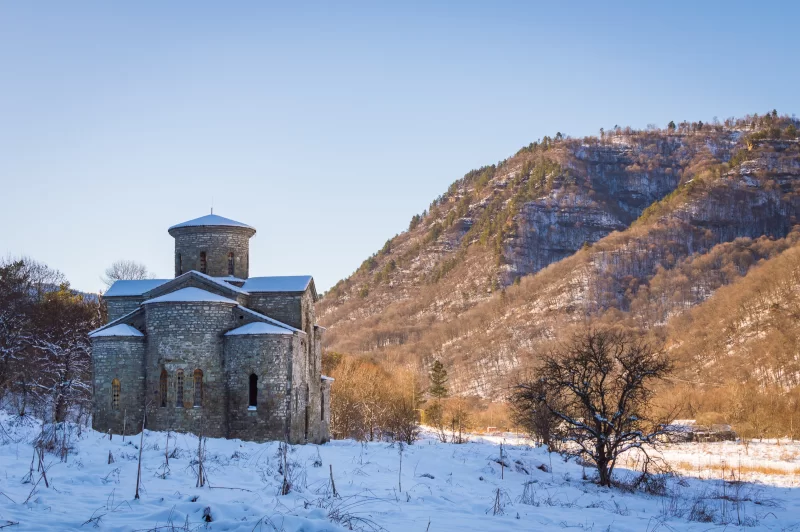
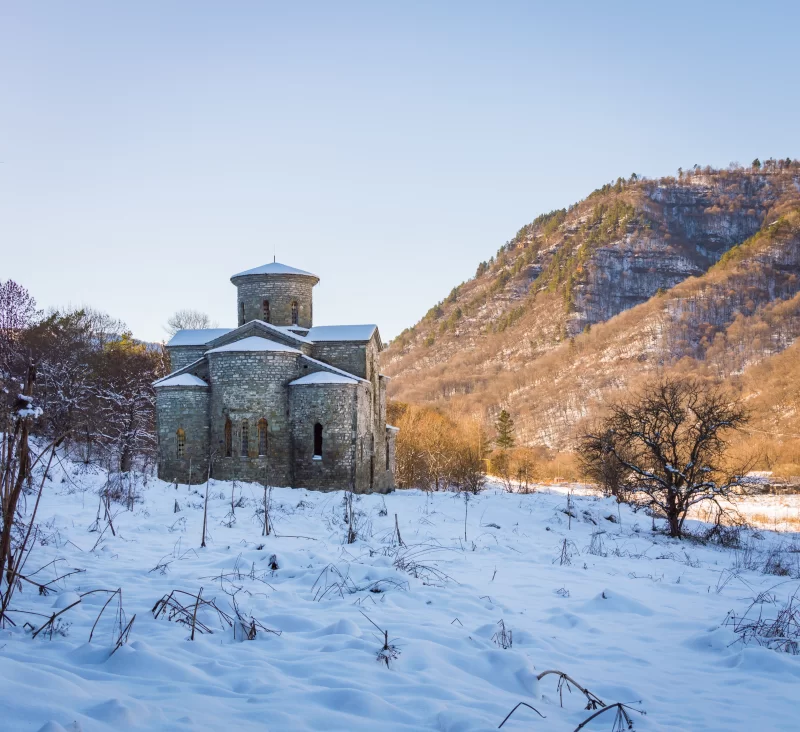
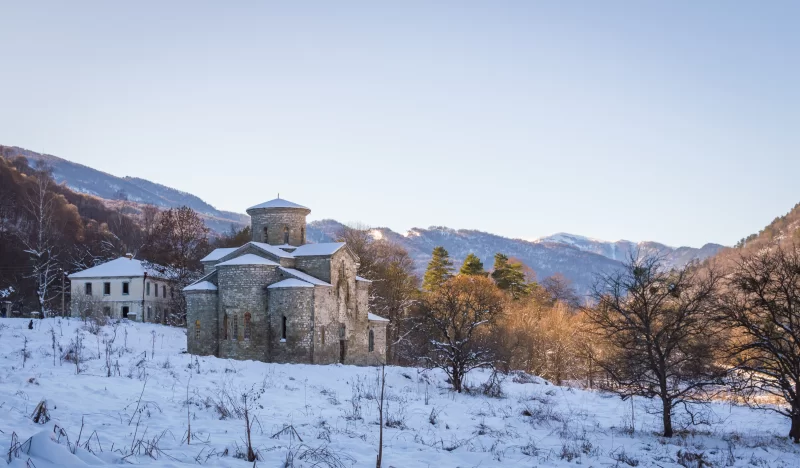
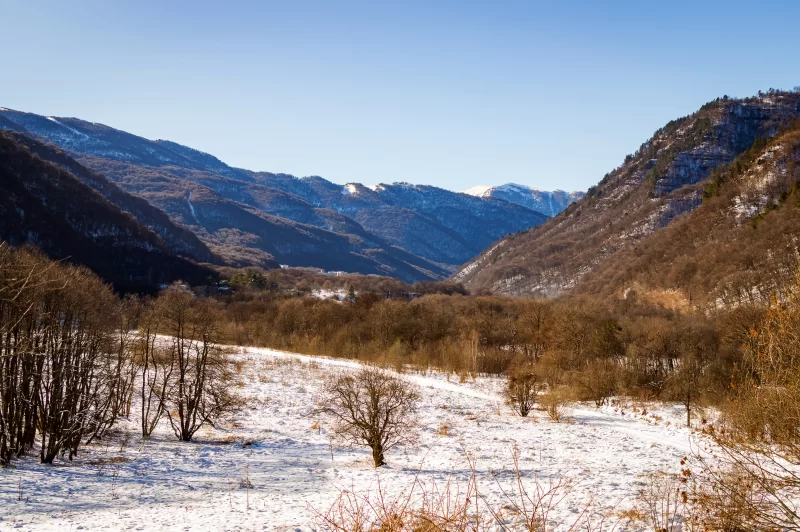
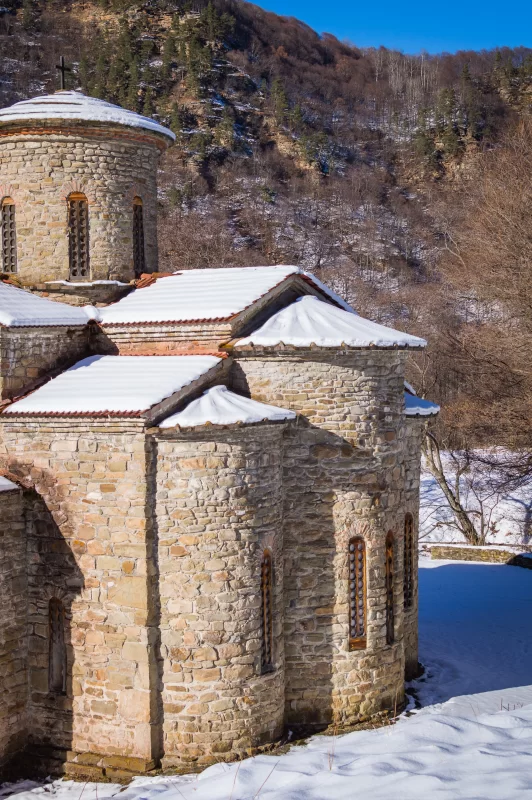
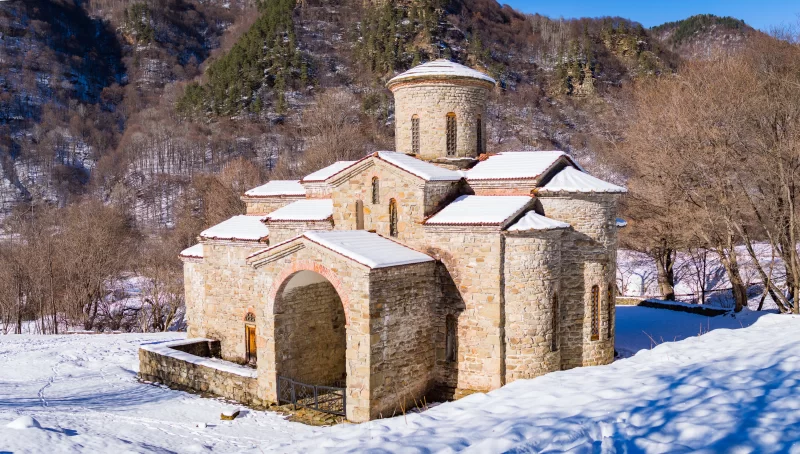
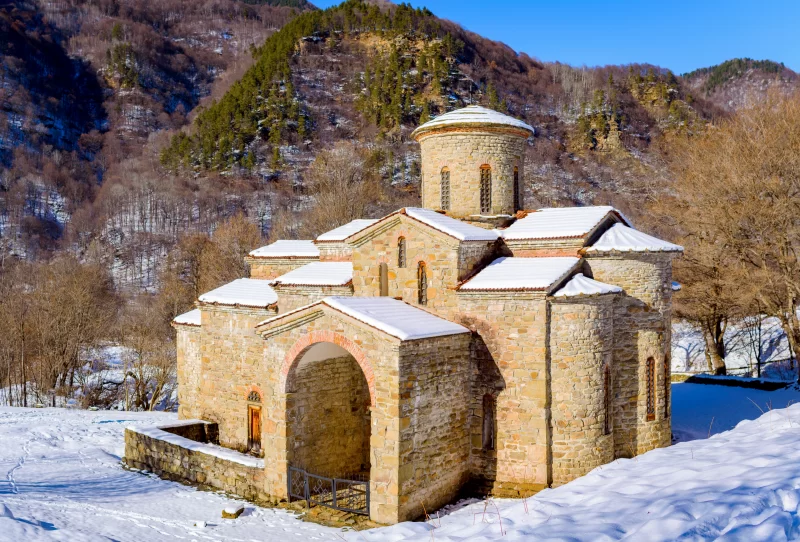
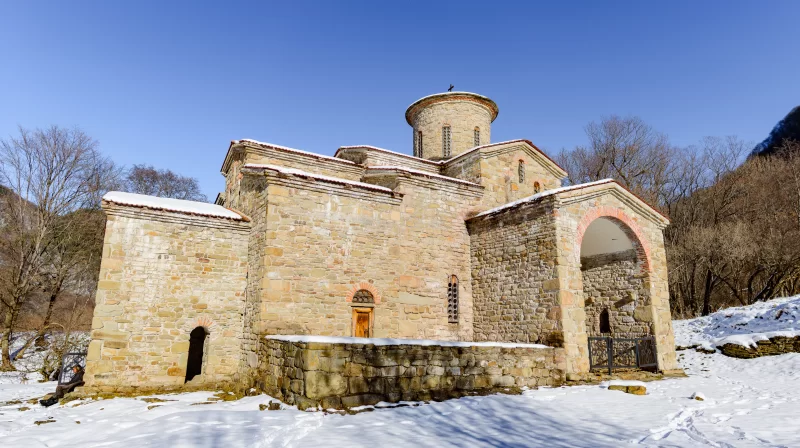
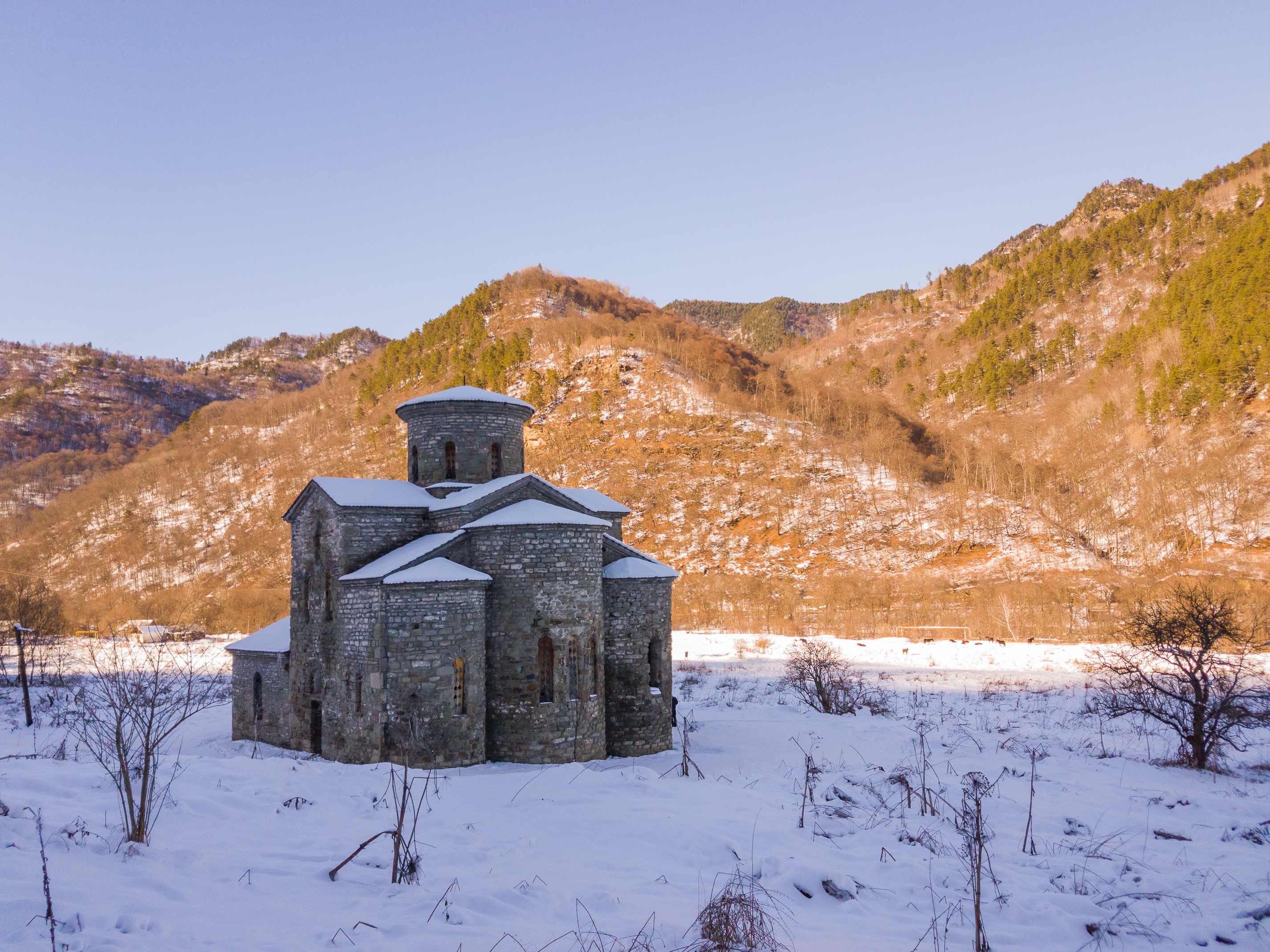
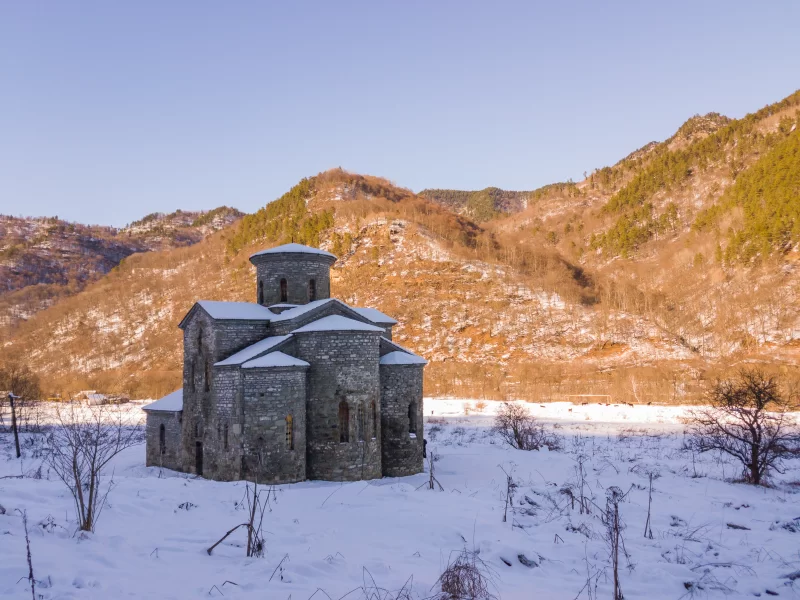
The image portrays an ancient stone temple, its massive walls and columns blanketed in fresh snow, as if frozen in the eternal silence of high mountain peaks. It rises majestically on the edge of a cliff, surrounded by grand mountain slopes adorned with snow-capped ridges and sheer rock faces that shimmer with the warm golden light of morning sun. The air here feels crisp and clear, like a cold breeze carrying the scent of ancient stone and untouched snow. Vast expanses of snow stretch around the temple, resembling a pristine white carpet where sunlight dances, casting shimmering reflections across the stone surfaces. In the distance, beyond the horizon, silhouettes of other peaks emerge, veiled in a light mist, enhancing the sense of isolation and mystical atmosphere. The scene is imbued with tranquility, as if time has slowed down to allow the viewer to feel the weight of history and the spiritual power of this place.
The composition is carefully balanced: the temple is centered, its vertical lines contrasting with the horizontal layers of snow and rock. The temple walls, crafted from rough but precisely cut stone, possess a texture that can almost be felt even from afar — the unevenness, the marks of time, and the relief patterns left by wind and snow. The snow on the roof and columns is fresh, with visible crystals that sparkle under sunlight, creating a dazzling effect of glinting highlights. The lighting is soft yet bright — the sun is low, casting deep shadows and rich colors: shades of gray and brown stone contrasting with pure white snow and golden highlights on the slopes. In the background, trees covered in frost and traces of glaciers add scale and wild naturalness. The entire scene is rendered in a realistic landscape style with elements of mystical realism, where every element — from stone to snowflake — carries meaning and history.
The mood of the image is serene, almost meditative, with a deep sense of calm and awe. The subject evokes feelings of reverence before the grandeur of nature and human craftsmanship. Emotions stirred in the viewer are a blend of wonder and tranquility — as if you stand at the edge of the world, where time has paused, and history breathes through stone. The artistic style resembles classical landscape genre with elements of monumental art — emphasizing scale, detail, and emotional depth. The visual metaphor is the temple as a symbol of eternity, rising from the earth and becoming part of the mountains, as if nature itself preserved it to convey to us the feeling that we are merely passers-by in history, not its creators. This is not merely a landscape — it is a visual message of silence, history, and timeless beauty.
The composition is carefully balanced: the temple is centered, its vertical lines contrasting with the horizontal layers of snow and rock. The temple walls, crafted from rough but precisely cut stone, possess a texture that can almost be felt even from afar — the unevenness, the marks of time, and the relief patterns left by wind and snow. The snow on the roof and columns is fresh, with visible crystals that sparkle under sunlight, creating a dazzling effect of glinting highlights. The lighting is soft yet bright — the sun is low, casting deep shadows and rich colors: shades of gray and brown stone contrasting with pure white snow and golden highlights on the slopes. In the background, trees covered in frost and traces of glaciers add scale and wild naturalness. The entire scene is rendered in a realistic landscape style with elements of mystical realism, where every element — from stone to snowflake — carries meaning and history.
The mood of the image is serene, almost meditative, with a deep sense of calm and awe. The subject evokes feelings of reverence before the grandeur of nature and human craftsmanship. Emotions stirred in the viewer are a blend of wonder and tranquility — as if you stand at the edge of the world, where time has paused, and history breathes through stone. The artistic style resembles classical landscape genre with elements of monumental art — emphasizing scale, detail, and emotional depth. The visual metaphor is the temple as a symbol of eternity, rising from the earth and becoming part of the mountains, as if nature itself preserved it to convey to us the feeling that we are merely passers-by in history, not its creators. This is not merely a landscape — it is a visual message of silence, history, and timeless beauty.
Resolution
2852 × 2139 pixels -
6.1 megapixels
Date
Oct 23, 2025
Category
Arkhiz