Photo info
Description
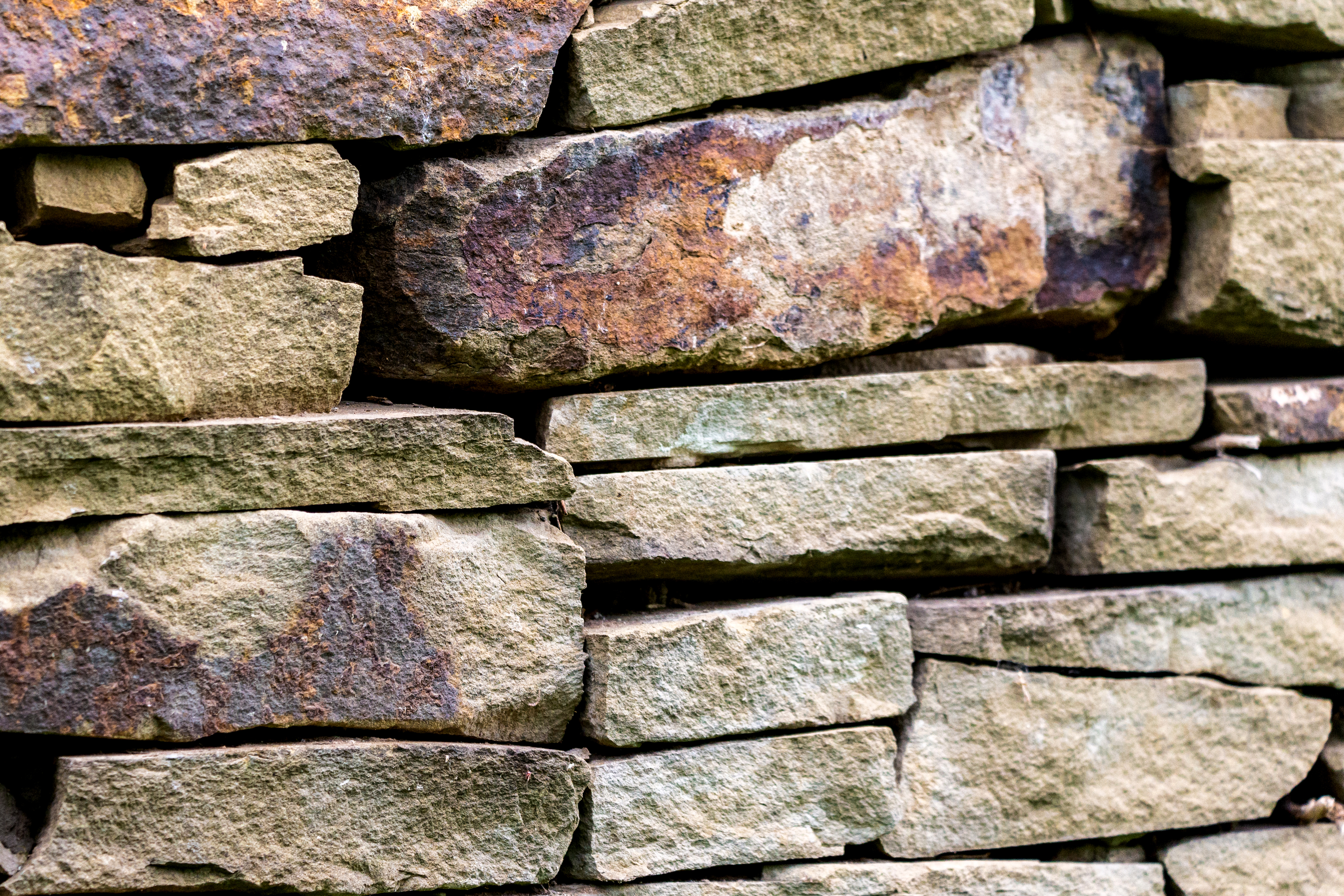
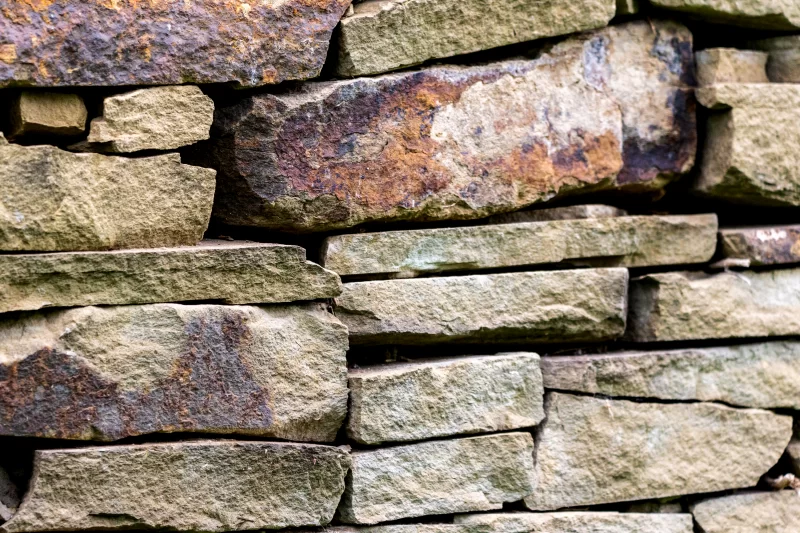
The image presents a close-up view of a stone wall constructed from rough-hewn, unpolished stones that appear to have grown naturally from the earth, retaining their original, untamed shapes. The wall seems to be a living structure, shaped not by machines but by time and the hands of those who respected the natural contours of the stones. Each stone varies in size and form, tightly fitted together to create an uneven yet harmonious surface, reminiscent of a granite relief dotted with traces of ancient labor. The lighting is soft and diffused, possibly from early morning or late afternoon, enhancing the texture and depth of every surface. The color palette blends warm and cool tones — from gray and bluish hues to earthy browns and rust-colored patches, giving the wall an aura of antiquity and coziness. Visible on the stones are signs of time — cracks, chipped edges, areas where moisture has seeped in, and places where moss or grass once grew, adding visual richness and organic charm. The wall feels like part of the landscape, not an artificial structure — it seems woven into the surrounding nature, accompanied by dust, rough textures, and natural hues that evoke a sense of tranquility and respect for the natural world.
The composition of the frame is structured so that the stones dominate the image, with small gaps between them, allowing the viewer to appreciate every detail — from tiny cracks to large chipped surfaces. The texture of the stones is coarse, rough, with uneven edges, sometimes covered in dust or moss. The materials — primarily granite and sandstone — vary in density, which is reflected in the differences in shades and sheen. Lighting, falling from the side, creates shadows that accentuate the volume and relief of the stones, giving them a three-dimensional quality. Colors are not uniform — some areas are dominated by gray, others by brown or rust, enhancing the visual depth and complexity of the texture. The structure of the stones varies: some are larger, others smaller, and some have unusual shapes, giving the wall an organic and unique character. The depth of the frame is shallow, allowing focus on details, yet maintaining a sense of space, as if the stones continue beyond the frame.
The image evokes a sense of calm, serenity, and antiquity. The wall, like a monument to nature, inspires awe and respect — it reminds us of the strength and endurance of stone, of how nature and humanity can coexist in a single space. The emotional atmosphere — soothing, slightly melancholic, yet inspiring — as if inviting the viewer to pause, breathe, and feel the texture of the stone. This is not merely a wall — it’s a history, holding within it traces of time, weather, and the hands of those who once built it. Visually, it resembles old castles, rural homes, or ancient structures where stone was the primary material. The style of photography — documentary with artistic elements — emphasizing detail and texture. Artistic qualities — attention to light, shadows, color palette, and composition — making the image not merely a photograph, but a piece that evokes emotion and inspiration.
The composition of the frame is structured so that the stones dominate the image, with small gaps between them, allowing the viewer to appreciate every detail — from tiny cracks to large chipped surfaces. The texture of the stones is coarse, rough, with uneven edges, sometimes covered in dust or moss. The materials — primarily granite and sandstone — vary in density, which is reflected in the differences in shades and sheen. Lighting, falling from the side, creates shadows that accentuate the volume and relief of the stones, giving them a three-dimensional quality. Colors are not uniform — some areas are dominated by gray, others by brown or rust, enhancing the visual depth and complexity of the texture. The structure of the stones varies: some are larger, others smaller, and some have unusual shapes, giving the wall an organic and unique character. The depth of the frame is shallow, allowing focus on details, yet maintaining a sense of space, as if the stones continue beyond the frame.
The image evokes a sense of calm, serenity, and antiquity. The wall, like a monument to nature, inspires awe and respect — it reminds us of the strength and endurance of stone, of how nature and humanity can coexist in a single space. The emotional atmosphere — soothing, slightly melancholic, yet inspiring — as if inviting the viewer to pause, breathe, and feel the texture of the stone. This is not merely a wall — it’s a history, holding within it traces of time, weather, and the hands of those who once built it. Visually, it resembles old castles, rural homes, or ancient structures where stone was the primary material. The style of photography — documentary with artistic elements — emphasizing detail and texture. Artistic qualities — attention to light, shadows, color palette, and composition — making the image not merely a photograph, but a piece that evokes emotion and inspiration.
Resolution
3872 × 2581 pixels -
10.0 megapixels
Date
Oct 21, 2025
Category
Backgrounds and Textures